
Many people in Pakistan seem to believe “out of sight = out of mind” when it comes to maintaining facilities. People ignore cracks in the walls, avoid maintaining equipment, and safety rules become obsolete. It is only when something bad happens that people start to care.
The impact of not doing facility inspections on a building lasts far longer than just noticing chipped paint or a few flickering lights. It can result in significant economic problems, risks to public safety, legal complications, and irreparable harm to a company’s image and the environment.
When economic growth is very fast, not carefully inspecting factories is truly dangerous. In this article, you will learn about the challenges, true stories, and how a regular lack of assessments leads to small issues ending up on the front page of newspapers.
Consequences of Unchecked Hazards
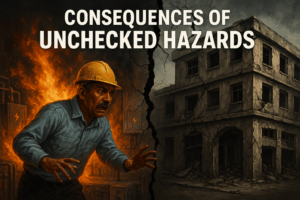
Worker Safety at Risk
One of the most immediate and visible consequences of ignoring facility inspections is compromised worker safety.
Faulty equipment, shaky structures, and fire dangers commonly affect employees at manufacturing plants and construction sites in Pakistan. Without routine facility inspections, these dangers go unnoticed until a serious accident occurs.
- For example, a malfunctioning electrical panel might seem minor, but in the absence of regular facility inspections, it can lead to electrocution or large-scale fires. If ventilation is not working correctly, toxic fumes may affect workers and might cause serious health problems for them in the future.
These workplace hazards can result in injury, permanent disability, or even death outcomes that could have been prevented through thorough facility inspections.
Increased Operational Downtime
Operational disruptions are another hidden but costly result of neglected facility inspections. If a tool or part of the facility stops working, it can lead to a complete halt in activities. Without prior warning from scheduled facility inspections, these failures are unexpected and often catastrophic.
- Consider a textile factory that fails to conduct regular facility inspections. A late discovery of a minor dyeing leak leads to a flood in the production area, interrupting work for days. The result?
Late delivery of work, unhappy clients, financial challenges, and a tarnished reputation for the business. By making facility inspections a standard practice, such avoidable setbacks can be drastically reduced.
Penalties From Authorities
Violating rules on health, safety, and the environment in Pakistan is considered a serious offence and can lead to severe legal consequences. The Pakistan Environmental Protection Agency (Pak-EPA) and provincial safety departments are authorized to inspect factories and ensure they follow the guidelines.
When businesses fail to conduct internal facility inspections, they risk being caught off guard during external audits.
If a business has unsafe working areas, poor waste disposal, or a failure in fire safety, it may be fined, have its licensing suspended, or be required to close. These legal troubles can cost more than the time and resources needed to perform regular facility inspections.
Impact on Workforce Health and Morale
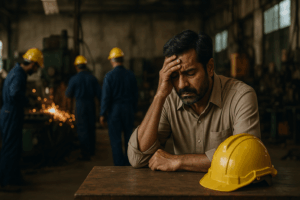
Emotional Stress and Mental Fatigue
Exposure to dangers and unexpected workplace situations can negatively affect a person’s mental wellness. Workers are left to navigate unsafe surroundings alone when facility inspections are not conducted.
This leads to discomfort in the workplace, which makes people feel tired, affects morale, leads to people missing work, and increases the turnover rate.
Loss of Trust in Management
Leaders who neglect safety matters risk losing employees’ trust. Skipping facility inspections signals that management is not committed to workplace well-being.
Because of this mistrust, there is less engagement and lower motivation, and employees view the company culture negatively, which affects both their work and their loyalty.
Increased Absenteeism and Staff Turnover
Illness and injuries caused by neglected facility inspections lead to more sick leaves, reduced productivity, and resignations. Most workers won’t stay if their health is constantly in danger.
On the other hand, regular facility inspections help retain talent by ensuring a safer and more supportive workplace.
Regulatory Gaps and Weak Enforcement in Pakistan
One major issue for Pakistan’s industrial, commercial, and institutional sectors is the lack of consistent regulation. Although health, safety, and building rules exist, they are challenging to enforce.
This lack of uniform enforcement has created an environment where facility inspections are often neglected or conducted only superficially.
Outdated or Vague Legislation
Many safety regulations in Pakistan have been in place for decades and are outdated compared to current and global industry trends.
The absence of specific clauses mandating detailed facility inspections leads to ambiguity. If the rules are vague, businesses often only meet the basic requirements, which leads to substandard operations.
Inconsistent Enforcement by Local Authorities
There are still differences in how laws are enforced in each country. Since local governments and regions have their own understandings of the regulations, enforcement varies.
Building code compliance and facility inspections are treated as optional formalities rather than mandatory checks in many areas. Because of this inconsistency, factories in nearby cities could face very different requirements.
Both corruption and negligence in government agencies limit what inspections may accomplish. On certain occasions, not following all inspection requirements puts people living and working nearby at risk.
Lack of Trained Inspectors and Monitoring Systems
The agencies responsible for overseeing facility inspections are often underfunded and understaffed. With insufficient support, inspectors can only do a quick review, not a detailed assessment of the structure, its fire safety, ventilation, cleanliness, and equipment condition.
Without enough experienced inspectors, specialists may overlook dangerous threats. If safety concerns hidden at a facility go unnoticed for years, individuals may be put at greater risk of accidents, health complications, and malfunctions in the company’s operations.
Regular facility inspections are not just formalities; they are essential for identifying risks, maintaining compliance, and fostering a culture of accountability and care. Lack of cybersecurity puts all kinds of demanding infrastructure at risk.
To move forward, both the public and private sectors in Pakistan must prioritize facility inspections as a critical part of operations. When this happens, workers and properties are protected, and everyone looks forward to a safer future.
Take the First Step Toward Safer Facilities
Don’t wait for a disaster to reveal what could have been prevented. At Daitan Solutions, we offer expert facility inspection services, preventive maintenance planning, and end-to-end safety assessments designed for Pakistan’s evolving industrial and commercial sectors.
Ensure compliance.
Minimize downtime.
Protect your workforce and assets.
Visit daitansol.com today and schedule your free consultation to start building a safer, more reliable future for your business.